
The strongest El Niño in the last 150 years is taking shape
On August 13, 2026, NOAA’s Climate Prediction Center reported a greater than 90% chance of a very strong El Niño during fall and winter 2026–27 (ENSO Diagnostic Discussion, 2026). This climate pattern brings severe and disruptive weather, shifting storm tracks and increasing the risk of extreme rain, flooding, drought, heat, and cold.
For utilities, a super El Niño creates added urgency to identify emerging risks and determine which assets need attention before conditions strengthen.
For example, during a previous El Niño storm, one California utility reported service interruptions affecting more than 1.4 million customers (Recognized for Emergency Response During February Storm, 2024).
Why did 1.4 million customers lose power?
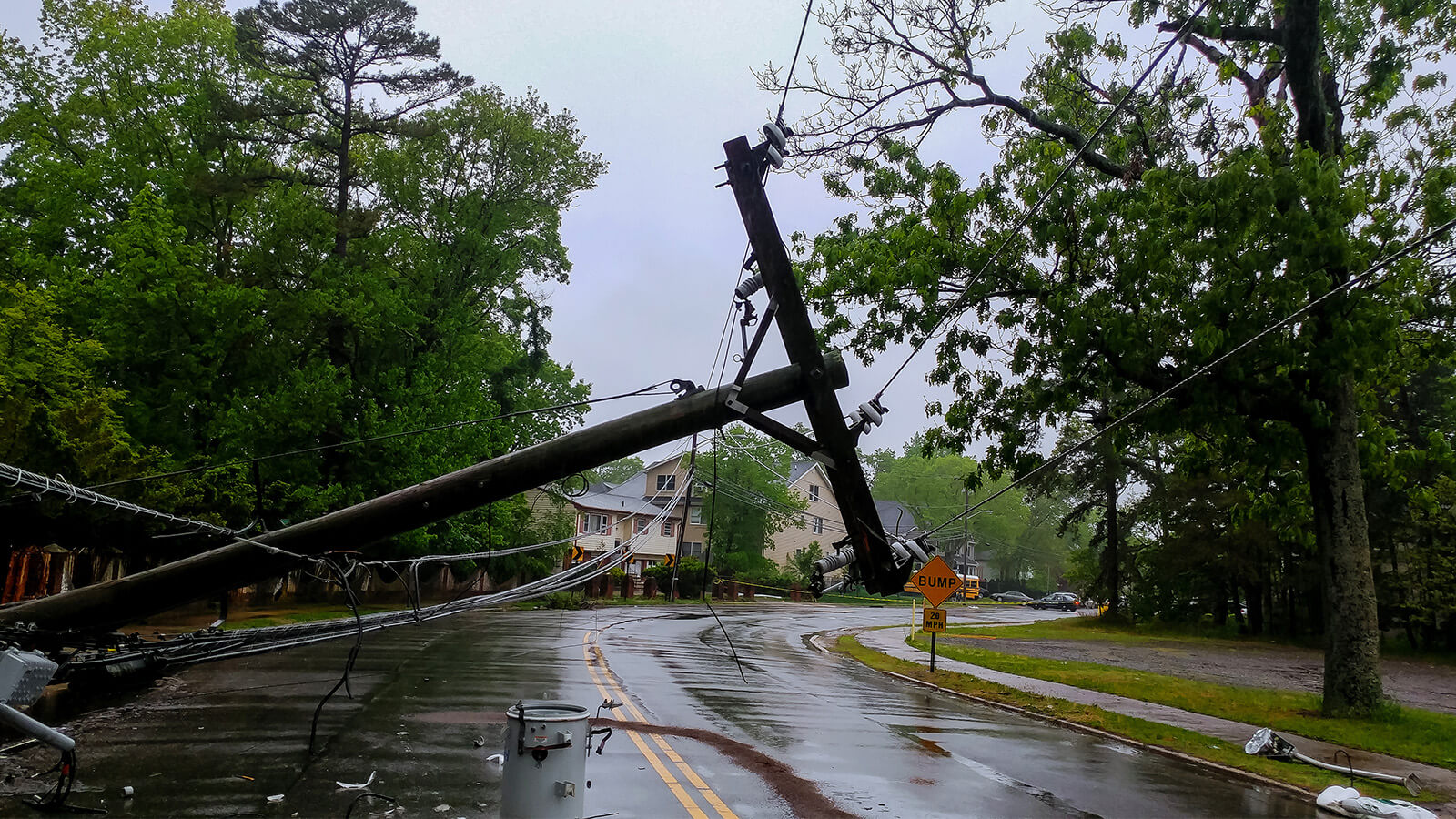
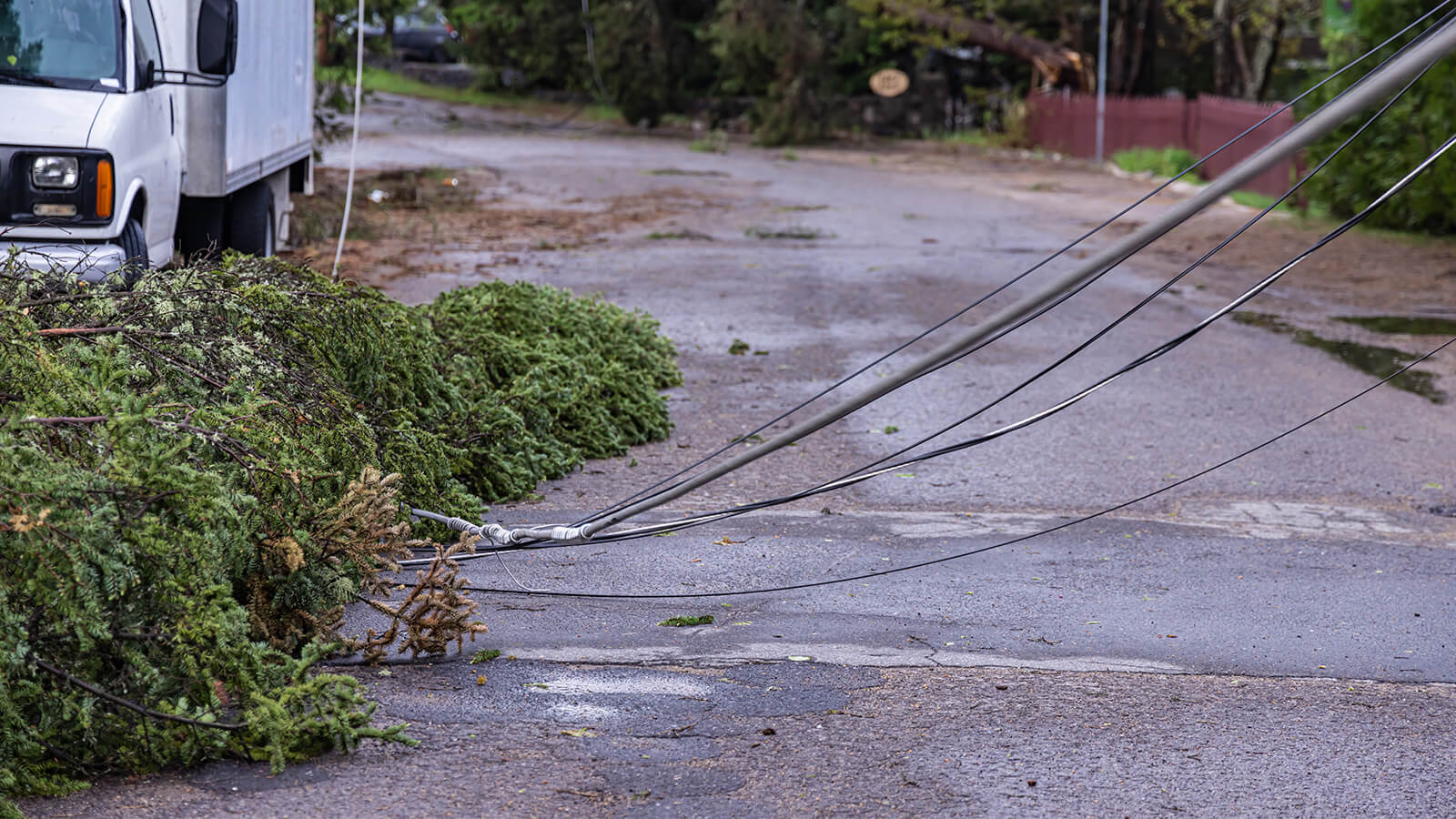
The storm combined heavy rain with damaging winds across the IOU's service territory. Saturated soil weakened tree roots, while strong gusts brought trees, branches, and debris into power lines. This interrupted service, damaged electrical equipment, and led to outages.
Weather related access hazards can prevent crews from safely reaching damaged equipment, delaying restoration and making recovery more difficult.
The scale of the outage was not caused by a single failure but by severe weather damaging infrastructure across a broad service territory.
Can utilities reduce the damage before the storm?
After a major outage, utilities can often trace the damage back to potentialy avoidable failures. What if those conditions could be identified before the storm?
Most utilities already have required inspection, maintenance, vegetation management, and emergency response programs. Determining where failures are most likely across thousands of assets still requires dedicated resources and specialized expertise, especially before crews work under emergency conditions.
The IOU’s response to the El Niño storm earned national praise. Hundreds of employees, supported by extensive state- and federally recognized emergency response training, worked to restore service after the powerful atmospheric river.
The quality of the response was not the issue. The opportunity lies in reducing the scale of the damage before conditions escalate into a catastrophic operational emergency. Identifying assets that need added attention before El Niño strengthens can help utilities reduce disruptions, avoid emergency work, control costs, and protect reliability and safety.
How do utilities know where to act first?
Utilities first need to narrow a large asset portfolio to the locations where added attention could reduce risk before severe weather arrives.
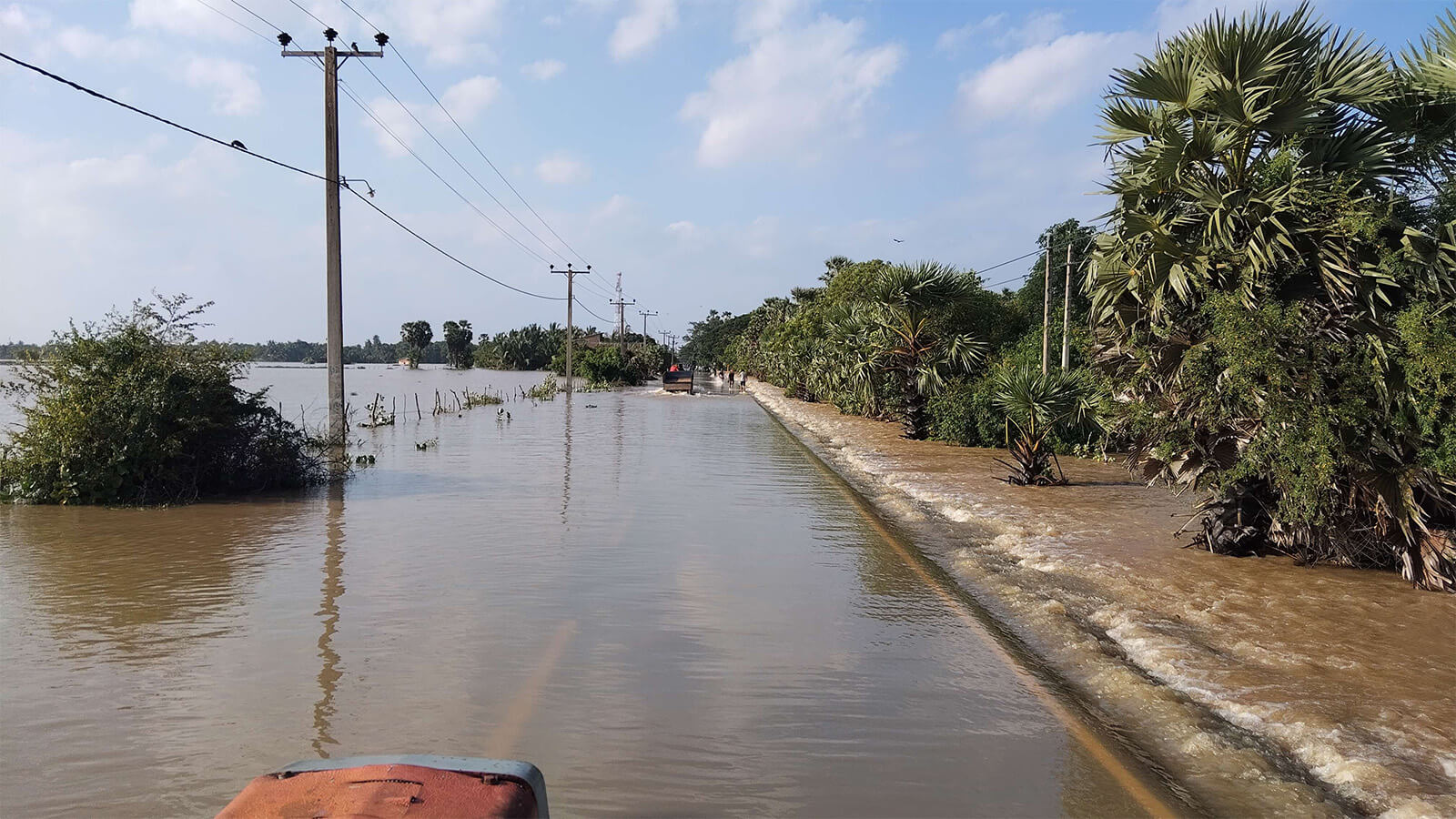
They can begin by screening relevant assets against consistent criteria. That means reviewing flood and drainage exposure, slope and soil conditions, access constraints, inspection findings, known defects, maintenance history, and field evidence together. Missing, outdated, or conflicting records should also be flagged because they may hide conditions that warrant closer review.
The next step is to identify where multiple indicators overlap and determine what each location requires. Some assets may need added monitoring or a supplemental inspection. Others may warrant engineering review, maintenance, access planning, or mitigation.
This gives utilities a practical basis for directing limited field and engineering resources while site access and response options remain available.
Plan the response before it becomes an emergency
Applying this process across thousands of structures can require more time, data, and specialized expertise than some teams have available.
EKN Engineering provides that capability by combining more than 20 environmental and asset-specific datasets with inspection findings, maintenance history, GIS records, and field evidence.
The process does more than assign a risk score. Engineers can see why a location was flagged and review the evidence supporting the recommended action.
For example, in one tower assessment project, two towers reached the same high-risk category for very different reasons. One stood on a steep slope with visible erosion and concrete cap damage. The other sat on nearly level ground but faced flood exposure, poor drainage, subsidence, and surrounding site conditions that increased its vulnerability. A slope-based review could have missed the second tower, while a flood layer alone would not have explained the condition of either structure.
EKN connected environmental exposure, asset condition, and field evidence to distinguish between the two locations and support the appropriate utility response.
Compared with a major IOU’s prior screening process, EKN delivered a 42% higher detection rate and 33% faster screening. EKN provided the supporting evidence and recommendations, while the utility retained its engineering standards and final authority over the appropriate action.
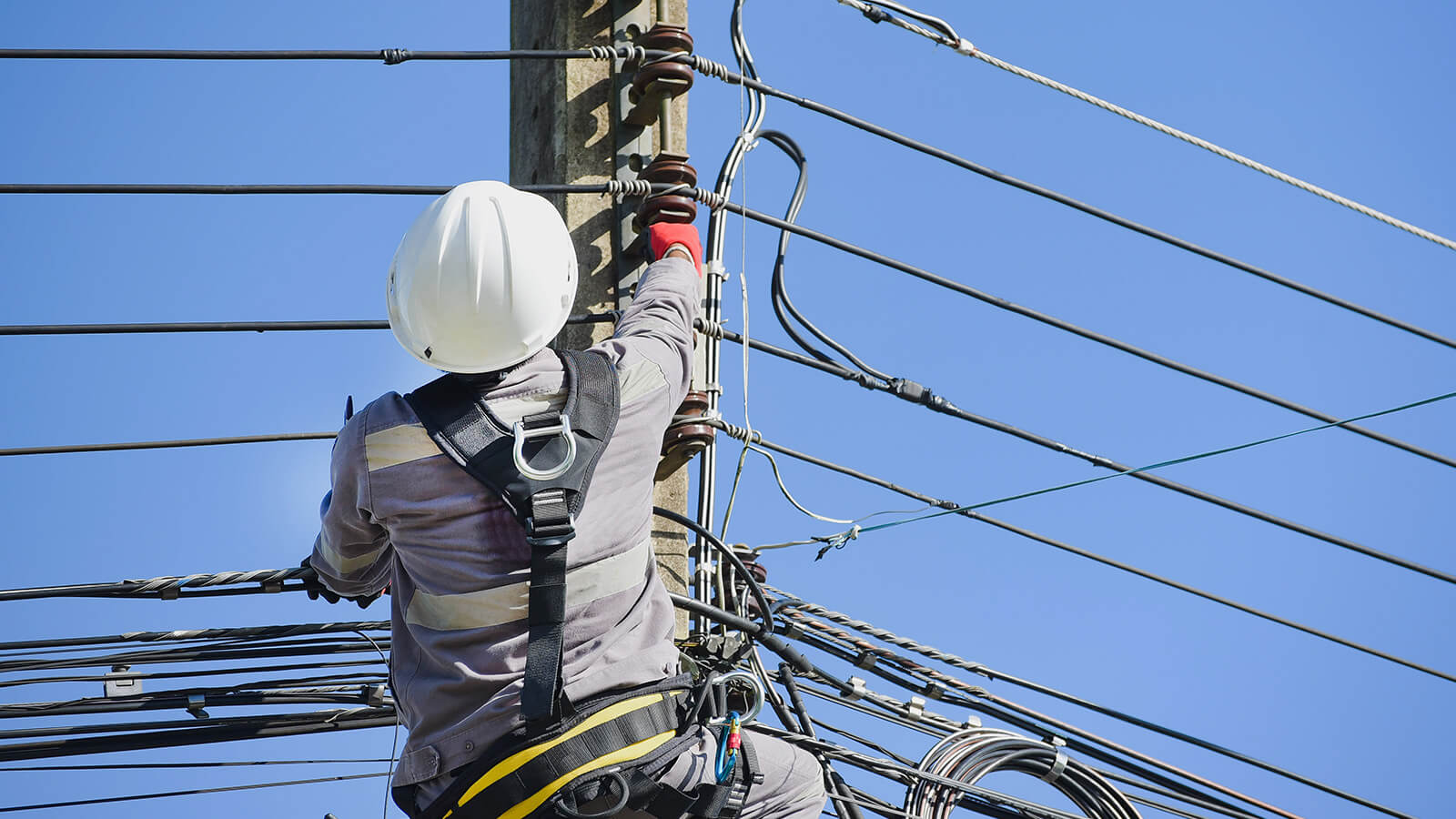
EKN’s experts and predictive technology help utilities direct limited engineering and inspection capacity toward the structures with the strongest indicators of concern. Addressing those vulnerabilities before severe weather arrives can reduce the risk of widespread damage and service interruptions like the outage that affected more than 1.4 million customers.